
Headaches & Migraines
Evidence-based chiropractic care to reduce headache frequency and help you get back to living without pain.
Finding the Source of Your Headaches
Headaches and migraines are among the most common reasons patients come to see us. Many headaches originate from tension, misalignment, or dysfunction in the cervical spine and surrounding muscles. Rather than masking the pain with medication, we work to identify and address the underlying cause so you can experience lasting relief. Learn more about how a chiropractor can help with neck pain and headaches.
- Tension-type, cervicogenic, and migraine headaches
- Gentle spinal adjustments to restore cervical alignment
- Drug-free approach to reducing headache frequency
- Nutritional guidance to help identify dietary triggers
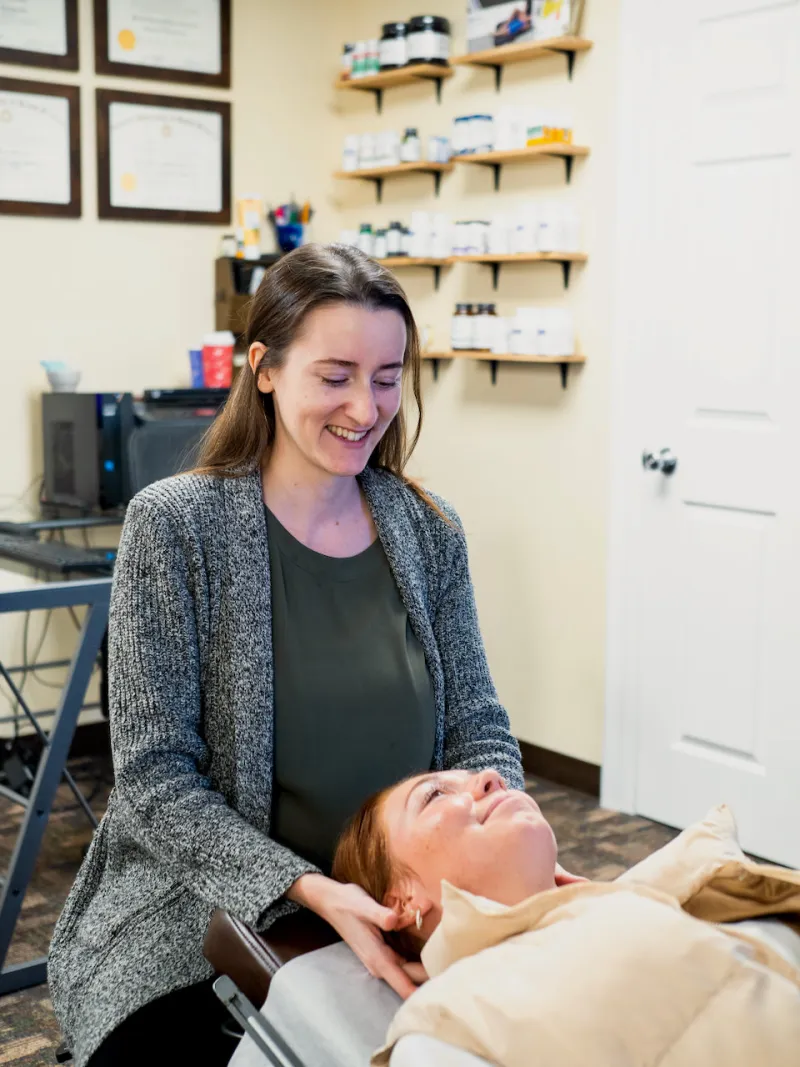
Understanding Your Headache
Tension Headaches
The most common type, often caused by muscle tightness in the neck and shoulders, poor posture, or stress. You may feel a dull, steady ache on both sides of your head. Chiropractic adjustments combined with soft tissue work can relieve the muscular tension that drives these headaches.
Cervicogenic Headaches
These headaches start in the neck and refer pain to the head, often on one side. They typically stem from joint dysfunction or restricted movement in the upper cervical spine. Current clinical guidelines recommend spinal manipulation as a primary treatment for cervicogenic headaches.
Migraines
Migraines involve intense, throbbing pain often accompanied by nausea, light sensitivity, and visual disturbances. Research shows that spinal manipulation and multimodal chiropractic care - including massage and nutritional guidance - can help reduce migraine frequency and severity over time.
Our Approach
Evaluation
A thorough history and examination to determine your headache type and identify contributing factors
Adjustment
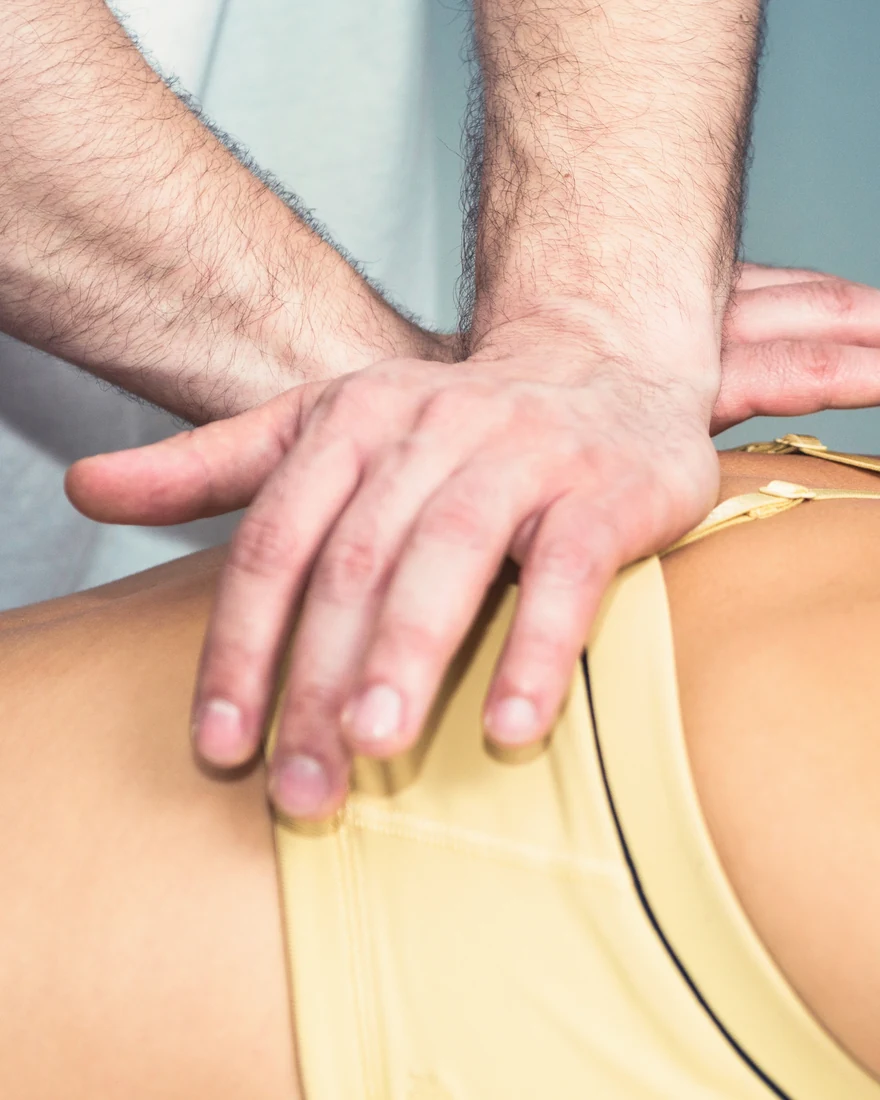
Gentle cervical and upper thoracic adjustments to restore proper spinal alignment and reduce nerve irritation
Whole-Person Care
Massage therapy, nutritional counseling, and lifestyle guidance to address triggers like stress, posture, and diet
Prevention
Ongoing care and education to reduce headache frequency and empower you to manage your own health long-term
What Our Patients Say About Headache Treatment
★★★★★"Struggled with migraines my whole life and chiropractic adjustments and massages have been the only thing that has helped me!"
★★★★★"My back pain and headaches are improving."
★★★★★"He is a big relief for my migraines and other pain due to past illness and work."
Common Questions
Can a chiropractor really help with headaches?
Yes. Clinical practice guidelines published in 2026 recommend spinal manipulation as a primary intervention for cervicogenic headaches, and as part of a multimodal care plan for tension-type headaches. Research also supports chiropractic care for reducing migraine frequency and severity. Many of our patients report significant improvement after just a few visits.
How do you determine what type of headache I have?
We start with a detailed history of your headache patterns - when they occur, how long they last, where you feel the pain, and what seems to trigger them. A physical examination of your cervical spine and surrounding muscles helps us pinpoint whether spinal dysfunction is a contributing factor. If needed, we can take digital X-rays right in our office.
How many visits will it take to see improvement?
This varies depending on your specific condition. Some patients notice a reduction in headache intensity or frequency within the first few visits. Chronic headache sufferers may benefit from a series of treatments along with lifestyle adjustments. We create a personalized plan and track your progress so you can see how you are responding.
Can nutrition play a role in managing headaches?
Absolutely. Certain foods and nutritional deficiencies are well-known headache and migraine triggers. Our naturopathic doctors can help you identify dietary factors, recommend supportive supplements like magnesium or B vitamins, and build a nutrition plan that works alongside your chiropractic care.
What treatments are commonly used for headaches?
When headaches are related to musculoskeletal dysfunction, treatment may include spinal adjustments, soft tissue therapy, stretching, therapeutic exercises, posture correction, ergonomic recommendations, and education on lifestyle factors that may contribute to headache symptoms.
Ready to Feel
Your Best?
Take the first step toward better health. Schedule your visit at any of our three convenient locations.
Lansing Chiropractic
6000 W St Joe Hwy #101
Lansing, MI 48917
(517) 323-2500Mon, Wed, Fri 9am-6pm
View this officeHolt Chiropractic
4573 E Willoughby Rd Suite B
Holt, MI 48842
(517) 699-2646Mon, Wed 9am-6pm; Thu 2pm-6pm; Fri 9am-3pm
Visit siteJackson Chiropractic
850 Laurence Ave STE 2
Jackson, MI 49202
(517) 581-2785Tue, Thu 8am-6pm; Sat 8am-1pm
Visit site